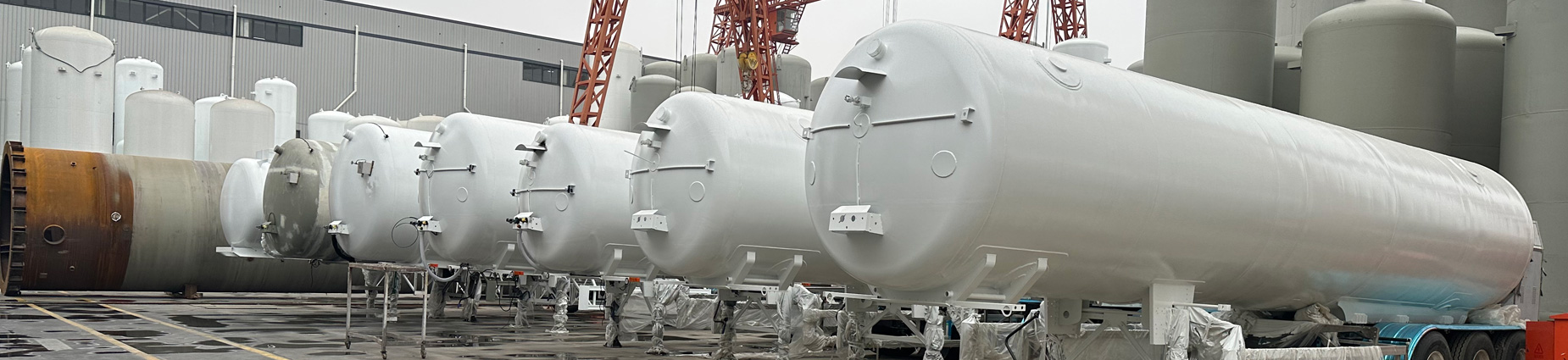
Vacuum pipelines are mainly used for transporting media such as liquid nitrogen, liquid oxygen, and liquid argon, and have excellent sealing performance and corrosion resistance.
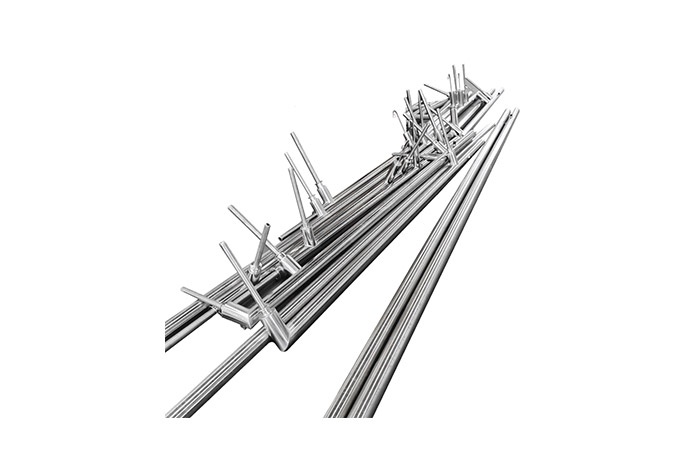
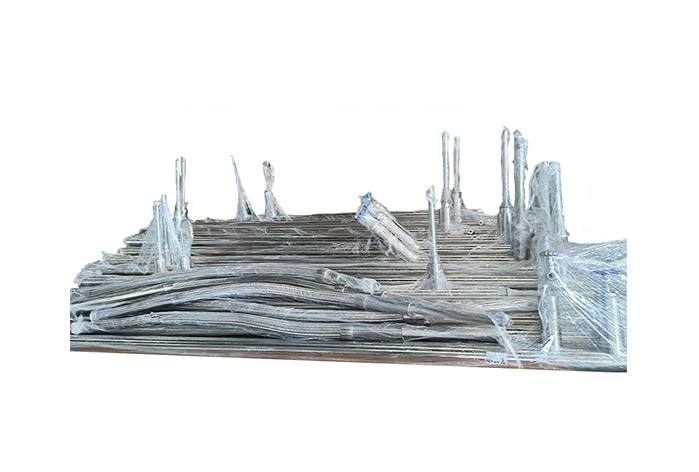
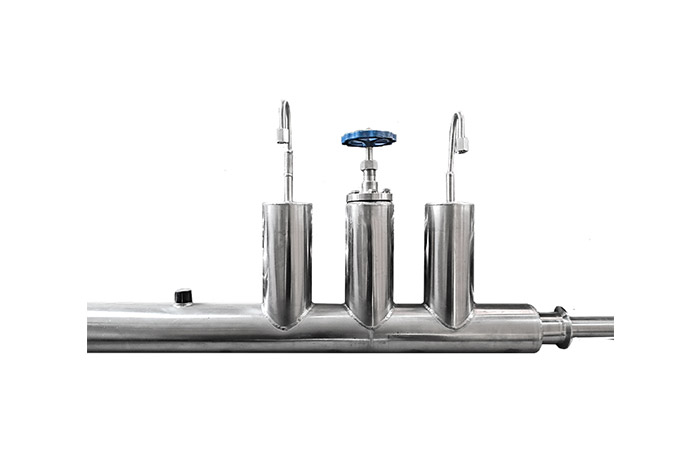
Vacuum pipelines are mainly used for transporting media such as liquid nitrogen, liquid oxygen, and liquid argon, and have excellent sealing performance and corrosion resistance.
Liquid nitrogen vacuum pipeline is a specialized equipment that uses vacuum insulation technology to efficiently transport ultra-low temperature media (such as liquid nitrogen, liquid argon, etc.).
Its core feature is the significant reduction of evaporation loss through multi-layer stainless steel structure and vacuum interlayer design. It is widely used in scientific research, medical, industrial and other fields
Multi layer insulation structure: adopting Triax pipeline design, the outer space maintains a vacuum degree of 10 ⁻⁵ tor r level, the inner tube is made of stainless steel material, and heat conduction is reduced through a high vacuum interlayer
Connection method: The hard pipe adopts plug-in male and female joints (clamp or flange locking), while the soft pipe uses double-layer stainless steel corrugated pipes, which have both flexibility and insulation performance
Corner treatment: using R standard elbows to avoid stress concentration caused by 45 degree docking and improve structural reliability
Low evaporation rate: Vacuum insulation technology results in extremely low liquid nitrogen loss rate, with interlayer leakage rate below 2 × 10 ⁻¹³ Pa · m ³/s
Safety performance: By implementing measures such as lightning protection design and regular verification of safety accessories (such as safety valves and rupture discs), the risk of overpressure explosion and leakage is reduced
Environmental adaptability: Suitable for aerospace, biomedical and other scenarios, the outer wall of the pipeline does not frost, avoiding the risk of frostbite
Research field: Providing ultra-low temperature environment in molecular beam epitaxy (MBE) equipment
Industrial transportation: used for long-distance or flexible connection needs such as liquid nitrogen tank truck filling and discharging, LNG terminal loading and unloading
Special industries: food processing, superconducting cables, and other fields that require strict medium cleaning
Regular testing: It is necessary to check the vacuum degree, sealing, and bracket firmness to prevent leakage or blockage
Fault handling: In case of leakage, the supply should be immediately stopped, and a detector should be used to locate the leakage point and repair it
The design of liquid nitrogen vacuum pipelines must comply with relevant standards (such as oxygen medium cleaning processes), and their manufacturing processes (such as Japan's high vacuum evacuation technology) directly affect long-term performance stability